
Most businesses know they need automation. They just don’t know where to start, what to automate first, or how to avoid the expensive mistakes that come from picking the wrong tools. That’s where an automation consultant comes in. Someone who maps your processes, identifies the high-impact wins, and builds systems that actually work.
At MakeAutomation, we’ve spent over 16 years in IT operations and DevOps, building automation solutions for companies that range from lean startups to enterprise teams. We don’t sell software. We solve problems.
What Does an Automation Consultant Actually Do?
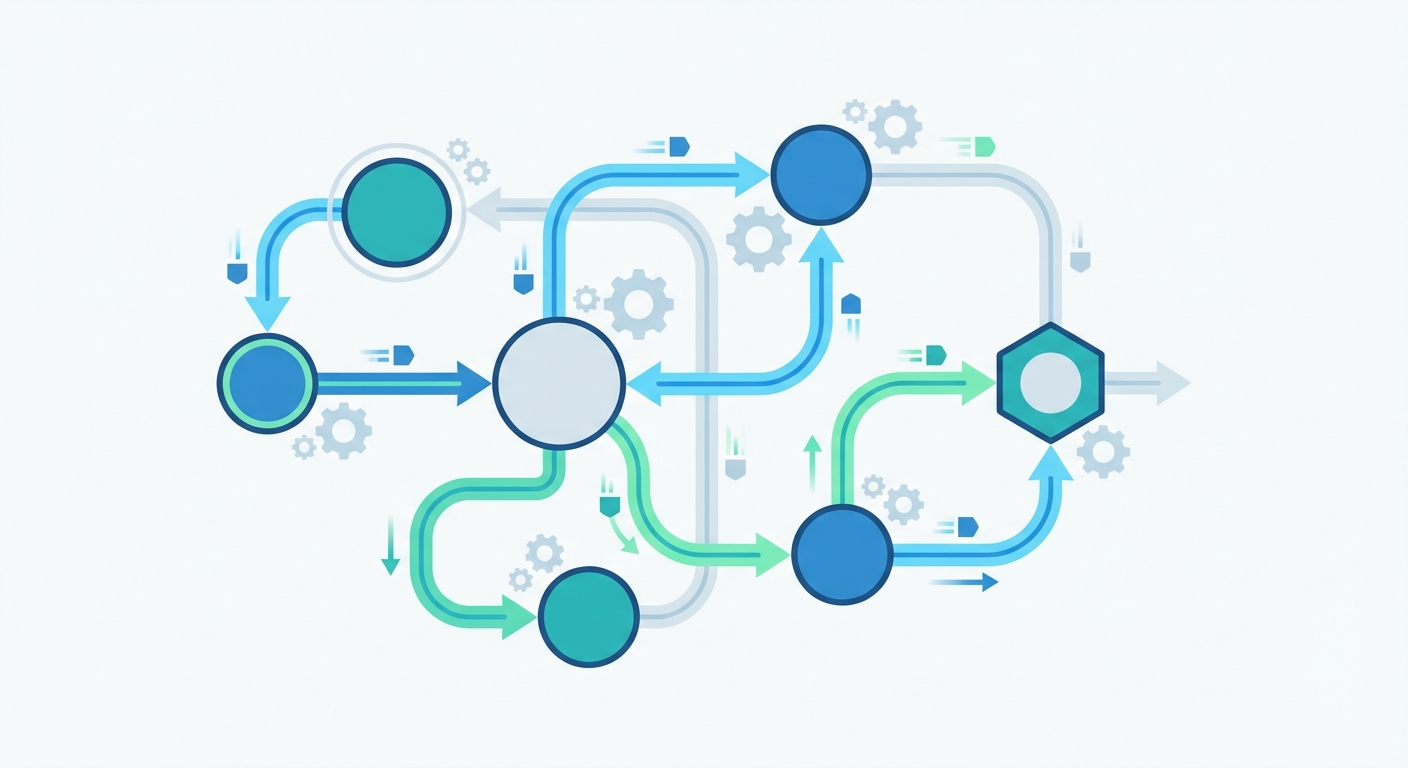
An automation consultant sits between your business processes and the technology that can run them. Unlike a developer who writes code to spec, a consultant first asks: should this even be automated? Not every process benefits from automation. Some are too variable, too infrequent, or too dependent on human judgment to justify the investment.
A good automation consultant will:
- Audit your current workflows and identify bottlenecks
- Calculate the real ROI of automating each process (not just the optimistic version)
- Recommend the right tools for your specific situation, not the ones that pay the highest referral fee
- Design the architecture before writing a single line of code
- Build, test, and hand over working systems with documentation
- Train your team so you’re not dependent on external help forever
When Should You Hire an Automation Consultant?
There are a few clear signals that it’s time to bring in outside help:
Your team spends hours on repetitive data entry. Moving information between systems by hand: copying from a CRM to a spreadsheet, updating project management tools from email threads, re-entering customer data across platforms. These tasks are prime automation candidates.
You’ve tried DIY automation and hit a wall. Maybe you set up a few Zapier workflows or tried connecting tools with native integrations. They worked at first, but now they’re breaking, running into rate limits, or can’t handle the complexity you need. A consultant can redesign these properly.
You’re scaling and your processes can’t keep up. What worked with 10 customers doesn’t work with 1,000. Manual approval flows, hand-crafted reports, and ad-hoc notifications start falling through the cracks. Automation creates the consistency that scaling demands.
You don’t know what’s possible. The automation space changes fast. New APIs appear, existing tools add capabilities, AI opens up processes that were previously impossible to automate. A consultant who lives in this space can show you opportunities you didn’t know existed.
Our Automation Consulting Process
Every engagement starts with understanding your business, not your tech stack. Tools are interchangeable. Your processes and goals are not.
1. Discovery and Process Mapping
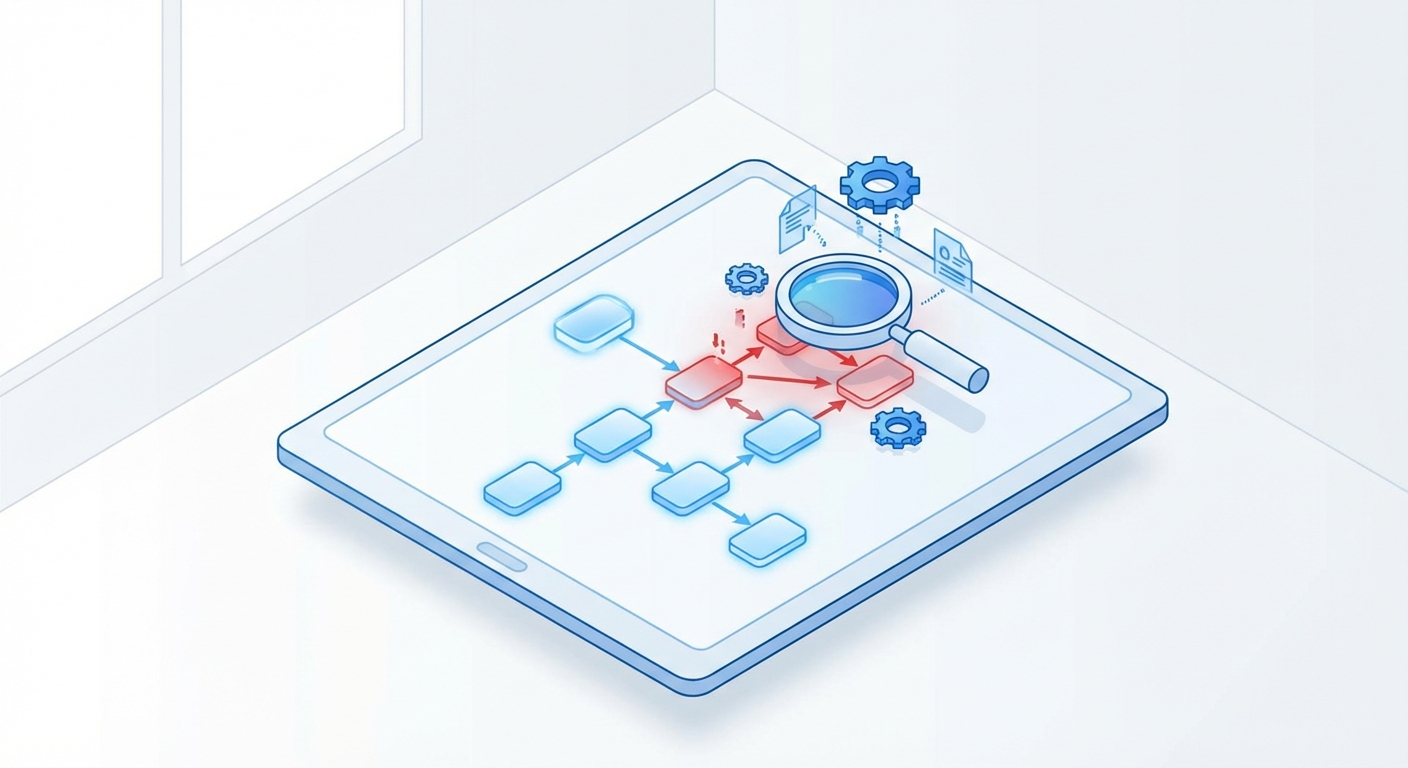
We start with a free 15-minute discovery call to understand the big picture. Then we map your critical workflows: who does what, when, with which tools, and where things break down. This isn’t a checkbox exercise — it’s the foundation everything else builds on.
2. Opportunity Analysis
Not all automation delivers equal value. We score each process on three dimensions: time saved, error reduction, and business impact. A process that takes 2 hours per week but affects revenue gets prioritized over one that takes 10 hours but has no downstream effects. Use our free ROI calculator to get a rough estimate before we even talk.
3. Architecture and Tool Selection
Based on your needs, budget, and technical environment, we recommend the right approach. For some clients, that means n8n workflows with custom integrations. For others, it’s custom API development, direct system connections, or a combination. We’re platform-agnostic — we pick what solves your problem, not what we’re certified in.
4. Build and Test
We build in iterations, not waterfalls. You see working automation within the first week, give feedback, and we refine. Every workflow gets error handling, monitoring, and alerting built in from day one. Automations that fail silently are worse than no automation at all.
5. Handover and Training
You own everything we build. Full documentation, recorded walkthroughs, and team training sessions. The goal is that you can maintain, modify, and extend your automations without calling us back (though many clients choose to keep us on retainer for ongoing optimization).
What We Automate
We’ve built automation solutions across nearly every business function. Here are the areas where we see the highest ROI:
Sales and CRM
- Lead enrichment and scoring
- CRM data sync across platforms
- Automated follow-up sequences
- Pipeline reporting and forecasting
- Quote and proposal generation
Operations
- Order processing and fulfillment
- Inventory management triggers
- Vendor communication workflows
- Document generation and routing
- Approval chains and escalations
Marketing
- Multi-channel campaign orchestration
- Content publishing workflows
- Analytics aggregation and reporting
- Social media scheduling and monitoring
- Customer segmentation and targeting
DevOps and IT
- CI/CD pipeline optimization
- Infrastructure provisioning
- Monitoring and incident response
- Backup verification and testing
- Security scanning and compliance checks
Tools and Platforms We Work With
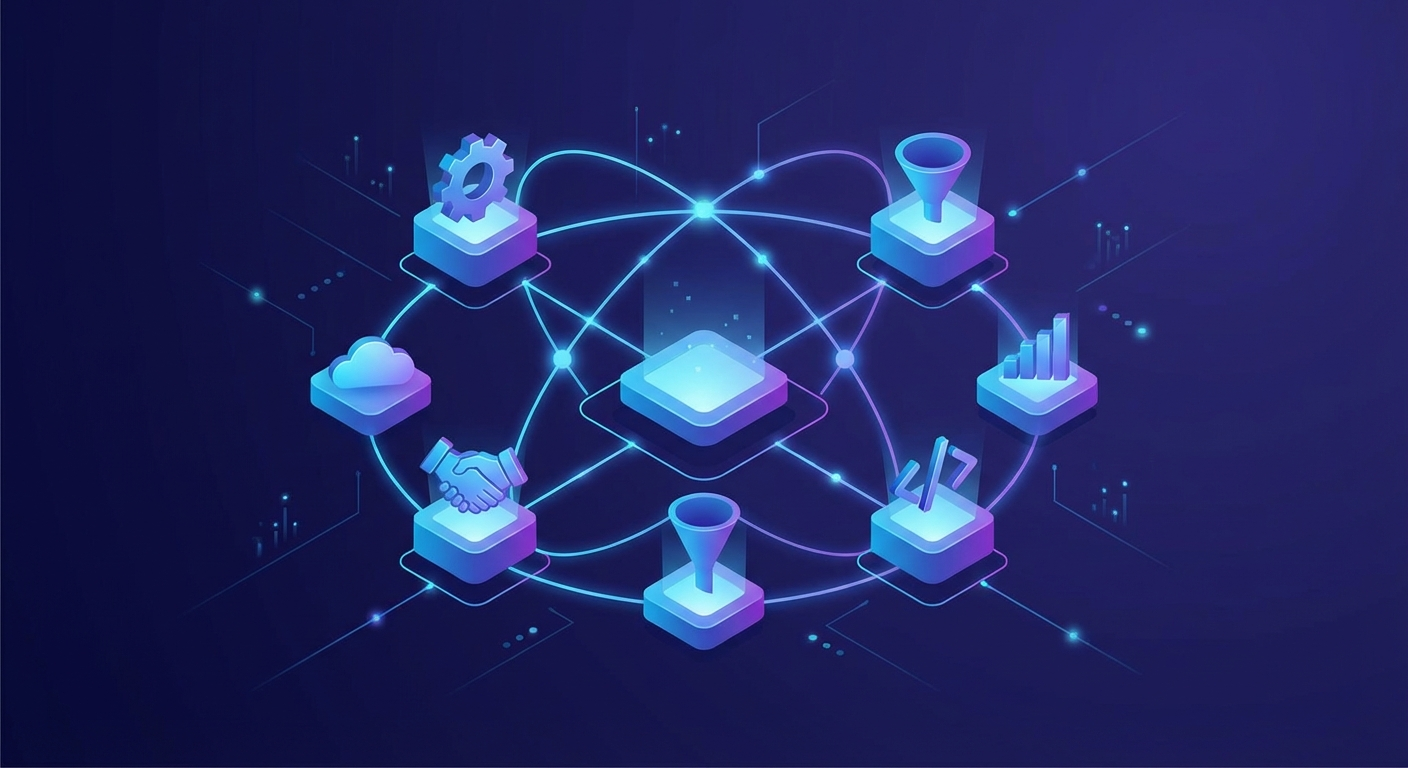
We’re not tied to any single platform. Over 16 years in IT operations, we’ve worked with most of the major automation and integration tools:
- Workflow engines: n8n, Make (Integromat), Zapier, Power Automate
- Custom development: Node.js, Python, TypeScript, REST/GraphQL APIs
- Cloud platforms: AWS, Google Cloud, Azure, DigitalOcean
- DevOps: Docker, Kubernetes, Terraform, Ansible, GitHub Actions
- Databases: PostgreSQL, MySQL, MongoDB, Redis, Supabase
- CRMs and business tools: HubSpot, Salesforce, Airtable, Notion, Slack
The right tool depends on your situation. A startup with 5 employees needs a different approach than an enterprise with compliance requirements. We help you pick what fits — and build it so it scales when you grow. Check whether your current tools can connect with our free integration compatibility checker.
Why Work With MakeAutomation?
There’s no shortage of automation consultants. Here’s what makes us different:
We’re builders, not advisors. We don’t hand you a PDF with recommendations and walk away. We design, build, test, and deploy working systems. If it doesn’t work in production, we haven’t done our job.
16+ years of real IT operations experience. Our founder started in IT operations and DevOps before “automation” was a buzzword. That means we understand infrastructure, security, monitoring, and everything that makes automation reliable at scale, not just the happy path.
Platform-agnostic recommendations. We don’t have referral agreements with tool vendors. When we recommend n8n over Zapier, or custom code over a no-code platform, it’s because that’s genuinely the better fit for your use case. We use our readiness assessment to match solutions to your maturity level.
Transparent pricing. No hidden fees, no scope creep surprises. We estimate work upfront with our cost estimator, and we stick to it. If the scope changes, we tell you before the invoice does.
Industries We Serve
Automation applies everywhere, but we’ve built particular depth in:
- SaaS companies: onboarding flows, usage-based billing, churn prevention workflows (learn more about SaaS automation)
- E-commerce: order routing, inventory sync, customer lifecycle marketing (learn more about e-commerce automation)
- Professional services: project intake, time tracking, invoicing, client communication
- Agencies: multi-client reporting, content workflows, campaign management (learn more about agency automation)
- Startups: MVP automation, rapid prototyping, scaling manual processes
Frequently Asked Questions
How much does automation consulting cost?
It depends entirely on the scope. A single workflow automation might take a few hours. A full business process overhaul could take weeks. We offer a free 15-minute discovery call to understand your needs, then provide a clear estimate before any work begins. You can also get a ballpark figure with our cost estimator tool.
What’s the typical ROI of automation?
Most clients see 5-10x return within the first year. The biggest savings come from eliminating manual data entry (time), reducing errors (quality), and enabling team members to focus on work that actually requires human judgment. Our ROI calculator can give you a personalized estimate.
Do I need technical knowledge to work with you?
No. We work with founders, operations managers, and marketing teams who have zero coding experience. Our job is to translate your business needs into technical solutions. You don’t need to understand the implementation details.
How long does a typical engagement take?
Simple automations (connecting two systems, building a notification workflow) can be done in 1-3 days. More complex projects involving multiple systems, custom logic, and error handling typically take 2-4 weeks. Enterprise-scale transformations may run longer, but we always deliver working components incrementally.
Will I own the automations you build?
Yes. Everything we build is yours: the workflows, the code, the documentation. We don’t use proprietary platforms or lock you into ongoing contracts. You can modify, extend, or even move to a different consultant without losing anything.
What if my automation breaks after the project ends?
Every automation we build includes monitoring and error alerting. You’ll know immediately if something fails. We also provide comprehensive documentation so your team (or any developer) can troubleshoot issues. For clients who want peace of mind, we offer ongoing maintenance retainers.
Can you work with our existing tools?
Almost certainly. We’ve integrated with hundreds of platforms and APIs. If your tool has an API (and most modern tools do), we can connect it. Check our integration checker to see if your specific tools are supported.
Ready to Automate?
Book a free 15-minute discovery call. We’ll discuss your biggest automation opportunities, give you an honest assessment of what’s worth automating, and outline next steps. No commitment required.